
Cataract Surgery

Take In The Whole View.
Cataracts are a part of life for all of us as we age. Thankfully, we can restore the clarity of your vision that you’ve slowly lost over time.
Cataract surgery is necessary when the cloudiness in your vision makes it difficult for you to perform your daily activities.
The great news is that Cataract surgery is one of the safest and most widely performed medical procedures in the world. The technology and lens options at BoozmanHof are the most advanced in the US, and we have performed more cataract surgeries than any other center in Northwest Arkansas.
What Are Cataracts?
Cataracts manifest as cloudiness or opacity in the natural lens of the eye, caused by a buildup of proteins that disrupt the normal passage of light. This scattering of light leads to symptoms like glare and blurred vision. Typically, cataracts progress gradually over time, resulting in a gradual decline in vision. The most common type, often occurring in older individuals, presents as a yellowish-brown discoloration of the lens, altering color perception and causing further blurriness.
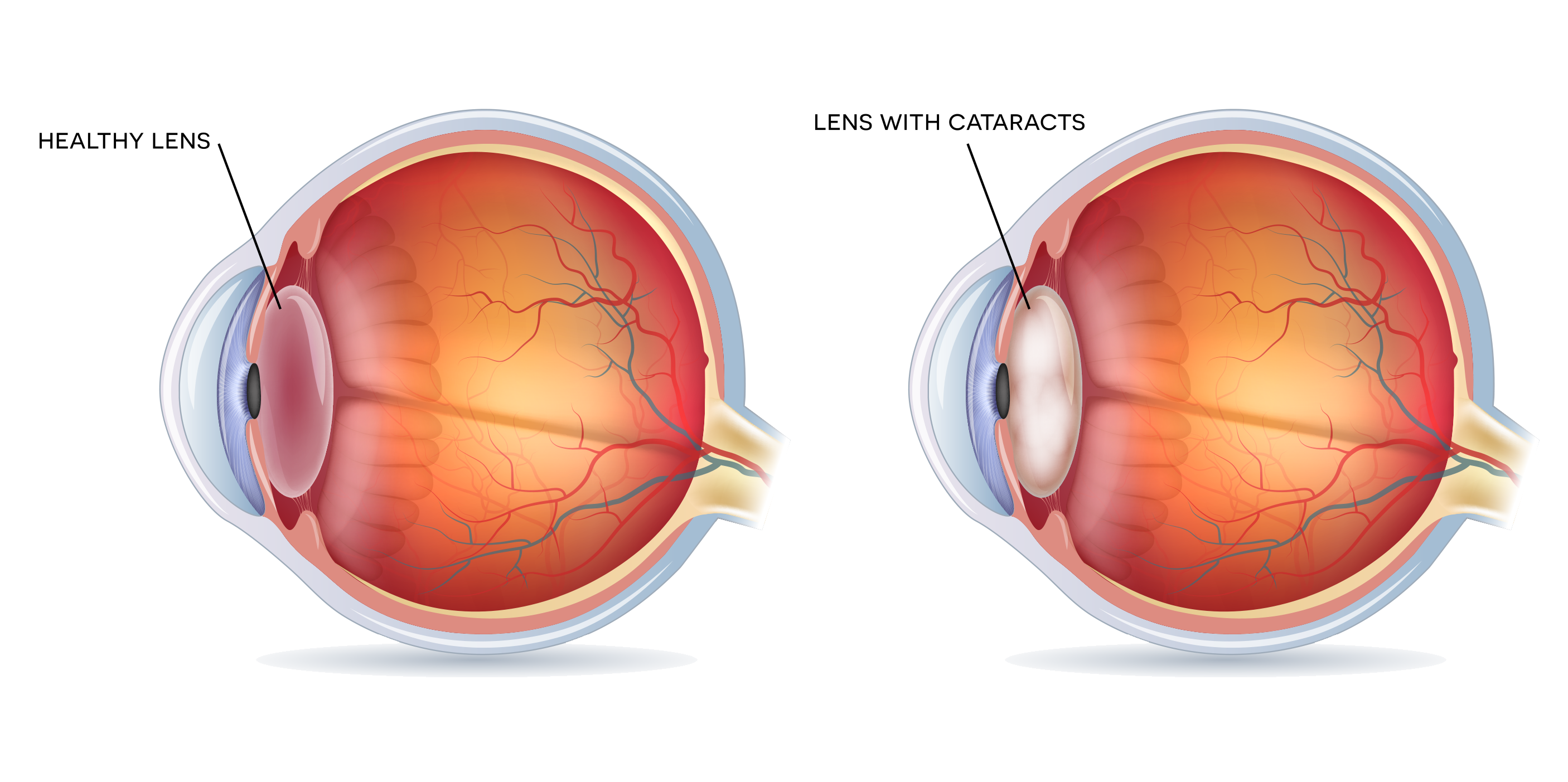
Who Is Affected by Cataracts?

Who Is Affected by Cataracts?
Cataract formation is a natural aspect of aging, affecting virtually everyone over the age of 70 to some degree. While some may not notice changes in vision until later stages, most individuals develop age-related cataracts at a similar pace in each eye, though one eye may be more affected than the other.
Not all cataracts require surgical intervention. Many individuals can manage with cataracts for years without significant disruption to their vision. Regular eye exams are crucial for monitoring cataract progression and safeguarding vision with your doctor’s guidance.
Cataract Diagnosis
Cataract Diagnosis

A comprehensive eye examination is essential for evaluating the presence and impact of cataracts on your vision. This examination includes various tests to assess your visual acuity and the extent of cataract-related changes. A refraction test determines if your vision can be enhanced with glasses, while additional assessments gauge how glare affects your vision using specialized instruments.
The slit lamp, resembling a microscope, allows your doctor to closely examine your eye’s lens for signs of cataract formation. Furthermore, the examination covers all aspects of eye health to identify any additional issues potentially affecting your vision.
Cataract Surgery: Experience Improved Vision with Confidence
Cataract treatment stands as one of the most frequently performed and successful surgeries in the United States. Over 99% of patients report significantly enhanced vision post-surgery. With our team of specially trained ophthalmic nurses and technicians, alongside skilled eye surgeons, you’re assured the best possible outcomes.
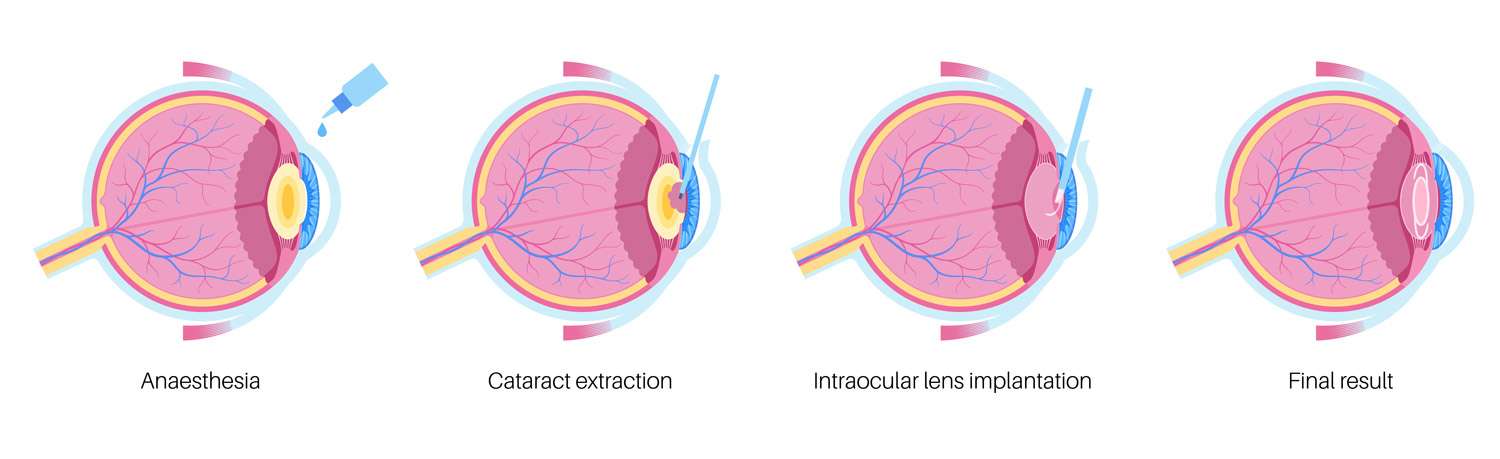
We employ the advanced phacoemulsification method for cataract removal, renowned for its efficacy. Here’s what to expect during the procedure:
- Your doctor creates a micro incision in the cornea, utilizing a “no-stitch” approach that allows the incision to self-seal seamlessly.
- A tiny tool emitting high-frequency ultrasonic vibrations breaks up the cataract into smaller segments for easy removal.
- A pre-determined intraocular lens (IOL) is carefully inserted to restore clear vision, with options including standard or lifestyle lens IOLs.
- Following a brief rest in our office, we recommend having a friend or family member drive you home to facilitate recovery.
If you’ve received a cataract diagnosis, don’t hesitate to reach out to schedule a consultation and explore your surgical options. Our expert team will guide you through the process, helping you determine the ideal time for surgery and selecting the right IOL to align with your vision goals and lifestyle.
Cataract Surgery: Experience Improved Vision with Confidence
Cataract treatment stands as one of the most frequently performed and successful surgeries in the United States. Over 99% of patients report significantly enhanced vision post-surgery. With our team of specially trained ophthalmic nurses and technicians, alongside skilled eye surgeons, you’re assured the best possible outcomes.
We employ the advanced phacoemulsification method for cataract removal, renowned for its efficacy. Here’s what to expect during the procedure:
- Your doctor creates a micro incision in the cornea, utilizing a “no-stitch” approach that allows the incision to self-seal seamlessly.
- A tiny tool emitting high-frequency ultrasonic vibrations breaks up the cataract into smaller segments for easy removal.
- A pre-determined intraocular lens (IOL) is carefully inserted to restore clear vision, with options including standard or lifestyle lens IOLs.
- Following a brief rest in our office, we recommend having a friend or family member drive you home to facilitate recovery.
If you’ve received a cataract diagnosis, don’t hesitate to reach out to schedule a consultation and explore your surgical options. Our expert team will guide you through the process, helping you determine the ideal time for surgery and selecting the right IOL to align with your vision goals and lifestyle.
What Occurs During a Cataract Procedure?

In our outpatient cataract procedure, our surgeons skillfully remove the clouded lens and replace it with an artificial lens—choosing between a standard monofocal lens or an advanced technology “lifestyle” lens based on your needs. The procedure typically lasts just fifteen minutes, and shortly afterward, you’re free to return home. Many patients experience immediate improvements in vision, and the recovery period is remarkably brief.
- CATARACTS FAQ's -
Who is at risk for cataracts?
While cataracts can affect anyone, they are most prevalent in individuals over 45 years old, with a higher occurrence in those over 65. Additionally, adults may develop cataracts due to certain medications, such as corticosteroids used for asthma treatment, or as a complication of systemic diseases like diabetes. Congenital cataracts, though uncommon, may occur in some children due to various factors related to the mother’s health during pregnancy.
Other recognized risk factors include:
- Exposure to ultraviolet light
- Exposure to cigarette smoke
- Certain diseases such as diabetes
What are the symptoms of a cataract?
Cataracts can manifest through various symptoms, such as:
- Blurred or distorted vision
- Heightened sensitivity to light, particularly noticeable with bright lights like oncoming car headlights
- Difficulty seeing distant objects, often necessitating getting closer, like when reading road signs
- Decreased depth perception
- Alteration in the color of the pupil, appearing milky white or yellowish
What is an Intraocular Lens (IOL)?
Cataract surgery, conducted on an outpatient basis, involves the skilled removal of the clouded natural lens by an eye surgeon. In its place, an artificial lens, known as an intraocular lens (IOL), is carefully implanted. The realm of IOLs offers a diverse array of options, ensuring personalized solutions for each patient.
How much does cataract surgery cost?
The expenses associated with cataract surgery hinge on factors like your insurance coverage, deductibles, and co-pays, as well as the specific lens option you select. While most insurance plans cover cataract surgery and include a standard replacement lens, certain lens options may entail additional out-of-pocket expenses.
Does cataract surgery last a lifetime?
Following cataract surgery, the natural lens is replaced, eliminating the possibility of a new cataract forming. However, if your vision becomes cloudy once more, it’s essential to discuss your options with your ophthalmologist. They can provide guidance on potential treatment avenues to address any concerns regarding cloudy vision post-surgery.
What does recovery look like?
The day after your cataract surgery most patients will be able to return to all normal activities except swimming.