
When most people think about vision loss, they imagine noticeable changes…blurry vision, difficulty reading, or trouble seeing at night. But some eye diseases can cause permanent damage before you realize anything is wrong.
Glaucoma is one of them.
Often called the “silent thief of sight,” glaucoma is a group of eye diseases that damage the optic nerve, which carries visual information from your eye to your brain. In its most common forms, glaucoma can develop gradually and with few or no noticeable symptoms in the early stages.
That’s why routine eye exams and early detection are so important.
What is glaucoma?
Glaucoma occurs when the optic nerve becomes damaged. Elevated pressure inside the eye is an important risk factor for glaucoma, although the disease can also develop in people whose eye pressure falls within a normal range.
The most common type is open-angle glaucoma, which typically develops slowly over time. Because vision changes can be so gradual, many people don’t realize they have glaucoma until significant damage has already occurred.
Unfortunately, vision that has already been lost to glaucoma generally cannot be restored. However, with early diagnosis and appropriate treatment, the progression of the disease can often be slowed or controlled.
Would I Know If I Had Glaucoma?
Not necessarily.
In the early stages of open-angle glaucoma, you may see clearly and have no pain or other obvious warning signs. As the disease progresses, peripheral or side vision may gradually decrease. Because the brain can compensate for these changes, the vision loss may not be noticeable right away.
This is one reason glaucoma screenings and comprehensive eye examinations are so important, especially as you get older or if you have additional risk factors.
Who is at Risk for Glaucoma?
Anyone can develop glaucoma, but your risk may be higher if you:
- Are over age 60
- Have a family history of glaucoma
- Have elevated eye pressure
- Are African American, Hispanic/Latino, or Asian, depending on the type of glaucoma
- Have certain medical conditions, including diabetes
- Have had an eye injury
- Have certain anatomical features of the eye
- Have used corticosteroid medications for an extended period
Having one or more risk factors does not mean you will develop glaucoma, but it may mean that your eye doctor recommends more frequent monitoring.
How is Glaucoma Detected?
Checking your eye pressure is important, but glaucoma testing involves much more than a single pressure measurement.
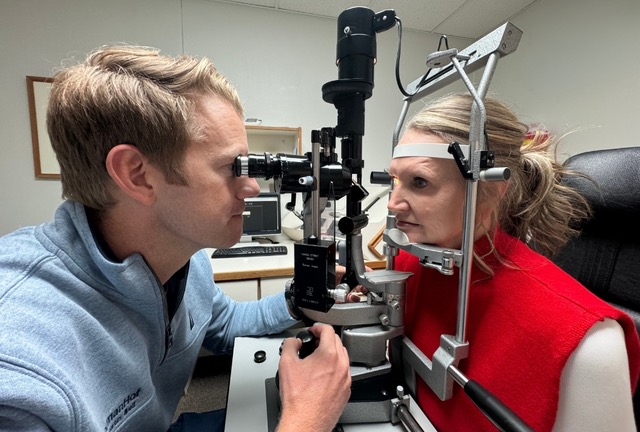
A comprehensive glaucoma evaluation may include examining the optic nerve, measuring eye pressure, evaluating peripheral vision with visual field testing, and using advanced imaging technology to look for changes in the optic nerve and retinal nerve fiber layer.
These tests allow your eye doctor to look for subtle changes that you may not be able to notice yourself.
What Happens if I’m Diagnosed with Glaucoma?
A glaucoma diagnosis does not automatically mean you will lose your vision.
The goal of treatment is to protect the optic nerve and prevent or slow additional vision loss. Depending on the type and severity of glaucoma, treatment may include prescription eye drops, laser treatment, minimally invasive glaucoma surgery (MIGS), or other surgical procedures.
Your treatment plan should be based on your individual eyes, eye pressure, disease progression, lifestyle, and overall health.
Protecting Your Vision Starts with Knowing Your Risk
One of the most important things to understand about glaucoma is simple: waiting until you notice a change in your vision may mean waiting too long.
Regular comprehensive eye exams allow your eye care team to identify glaucoma and other eye conditions before they significantly affect your sight.
At BoozmanHof, our team provides comprehensive glaucoma evaluation, monitoring, and treatment for patients throughout Northwest Arkansas. With advanced diagnostic technology and individualized treatment options, our goal is to help protect the vision you rely on every day.
When Was Your Last Comprehensive Eye Exam?
If it has been a while since your last eye exam, or if you have a family history of glaucoma or other risk factors, now is a good time to schedule an appointment.
Glaucoma may be silent, but protecting your sight doesn’t have to be.
Contact BoozmanHof today to schedule your comprehensive eye examination or glaucoma evaluation.n