
Transform Your Sight with Photorefractive Keratectomy.
Safe, Proven, and Flap-Free Vision Correction
Photorefractive Keratectomy (PRK) is a safe, effective vision correction procedure designed to free you from glasses and contacts. PRK is especially beneficial for individuals with thin corneas or those who may not be ideal candidates for LASIK. Whether you’re nearsighted, farsighted, or have astigmatism, PRK can reshape your cornea and give you clear, sharp vision without the need for corrective eyewear.


Why Choose PRK at BoozmanHof?
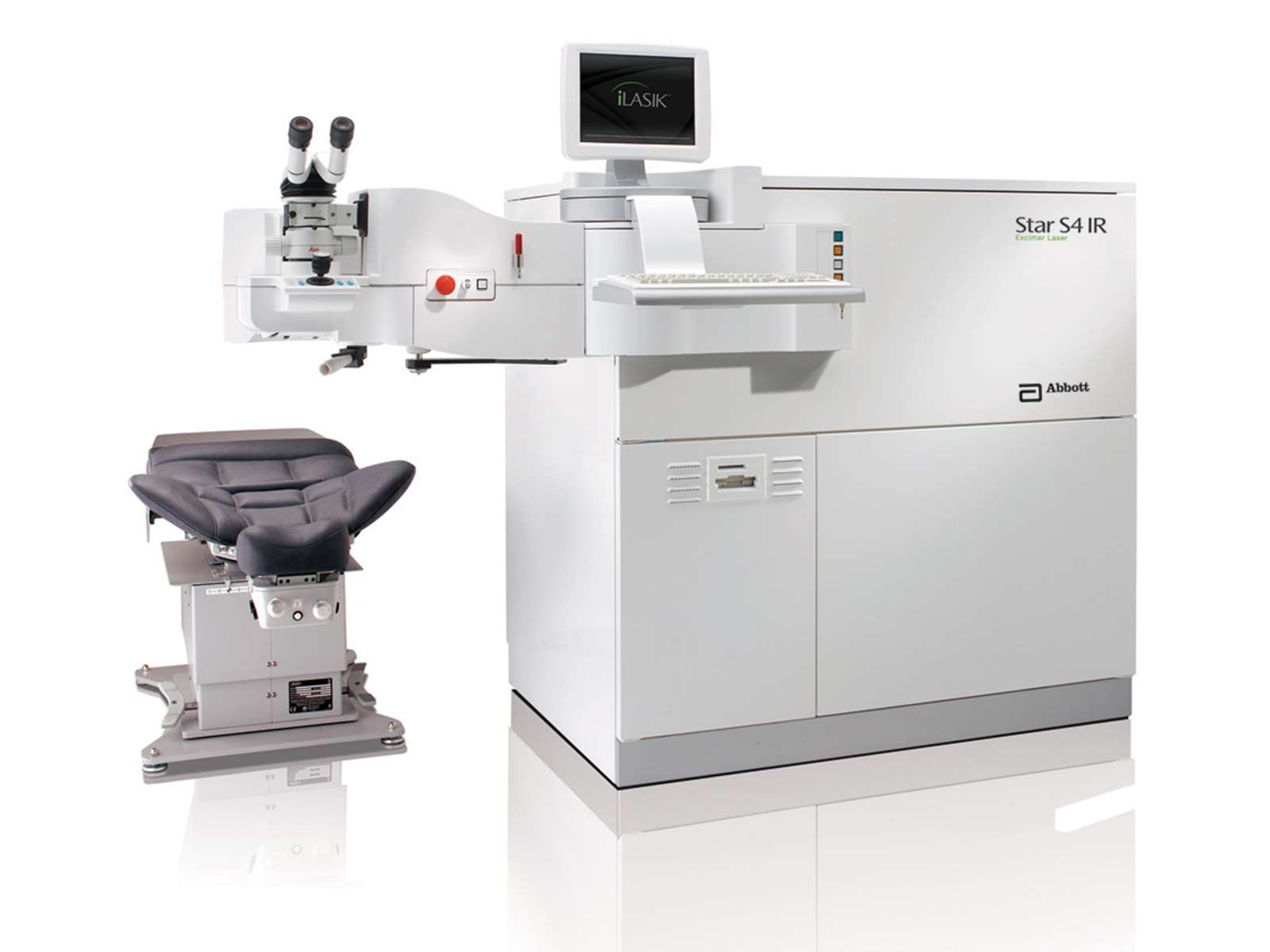
PRK is a surface-based laser eye surgery where the thin outer layer of your cornea (epithelium) is gently removed. Then, a cool, precise excimer laser is used to reshape the cornea, correcting your prescription. Over time, the epithelial layer regenerates naturally, allowing for a smooth recovery.
Benefits of PRK
- Long-lasting Results: Once your eyes heal, you’ll enjoy improved vision for years to come.
- No Flap Required: Unlike LASIK, PRK doesn’t involve creating a corneal flap, which can be a better option for those with thinner corneas or at risk for flap complications.
- Proven Track Record: PRK has been safely performed for over three decades, providing excellent outcomes and reliable results.
- Suitable for Active Lifestyles: Because there’s no flap, PRK is often a great option for athletes, military personnel, or anyone with an active lifestyle who may worry about the risk of displacing the corneal flap.
Is PRK Right For You?
PRK may be the perfect solution if:
- You have a thin cornea or are not a candidate for LASIK.
- You lead an active lifestyle.
- You’re looking for a long-term solution to reduce or eliminate your need for glasses and contacts.
How Does PRK Work?
PRK is a surface-based laser eye surgery where the thin outer layer of your cornea (epithelium) is gently removed. Then, a cool, precise excimer laser is used to reshape the cornea, correcting your prescription. Over time, the epithelial layer regenerates naturally, allowing for a smooth recovery.

Dr. Michael Waggoner
Dr. Waggoner is board certified by the American Board of Ophthalmology and specializes in cataract, vision correction, and corneal surgery. Over the course of his career, he has performed thousands of cataract and vision correction procedures. He is northwest Arkansas’ only fellowship trained vision correction and corneal surgeon.
Dr. Waggoner is an alumnus of Rogers High School and the University of Arkansas. He completed his medical education at the University of North Texas-TCOM, his residency in ophthalmology at the University of Missouri and a subspecialty fellowship in Cataract, Refractive Surgery, and Corneal Disease at the Dean McGee Eye Institute.
Affordability
The cost of your vision correction procedure will depend on your candidacy and the best treatment option for your prescription, so schedule your free exam with us today! The good news is that PRK can actually SAVE you money long-term, by eliminating the ongoing cost of glasses and contacts.
We strive to make Life Changing PRK as affordable as possible on any budget. At BoozmanHof, we believe that financing Vision Correction Surgery should be simple. That’s why we offer affordable 0% payment plans on all of our procedures.

- PRK FAQ's -
What is PRK?
PRK (Photorefractive Keratectomy) is a type of laser vision correction procedure that reshapes the cornea to correct nearsightedness, farsightedness, and astigmatism. It is an alternative to LASIK for patients with thin corneas or other eye conditions.
How does PRK differ from LASIK?
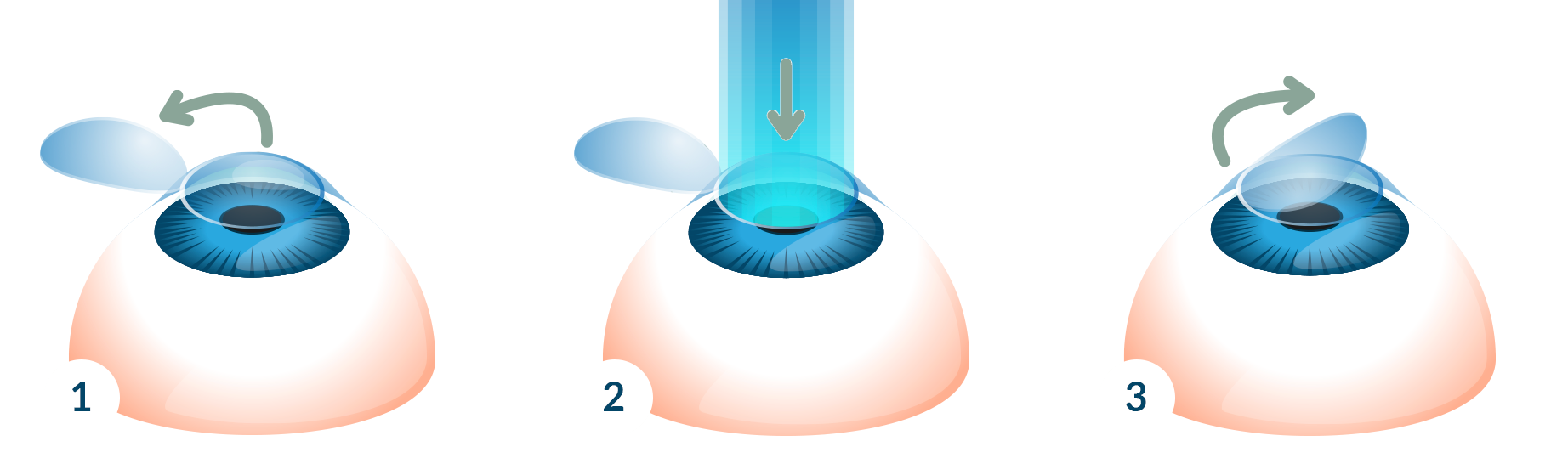
The main difference between PRK and LASIK is how the cornea is prepared. In PRK, the outer layer of the cornea (epithelium) is gently removed before reshaping the cornea, whereas LASIK creates a flap. PRK doesn’t require a flap, making it an ideal option for patients with thin corneas or other issues that may make LASIK unsuitable.
Am I a candidate for PRK?
You might be a candidate for PRK if you have thin corneas, chronic dry eyes, or other conditions that prevent you from having LASIK. A thorough eye examination will determine if PRK is the best option for your vision correction needs.
What can I expect during the PRK procedure?
During the PRK procedure, the surgeon will apply numbing eye drops to ensure comfort. The outer layer of your cornea is removed, and an excimer laser is used to reshape the cornea. The procedure typically takes 10-15 minutes per eye, and a protective contact lens is placed over the eye afterward to help with healing.
What is the recovery process after PRK?
Recovery from PRK takes longer than LASIK. Most patients experience discomfort for the first 3-5 days as the epithelium heals. Vision may be blurry during the initial recovery period and gradually improves over several weeks.
How long does it take to see results after PRK?
Patients typically begin to notice improvements in vision within a week of the procedure. However, optimal vision results may take 1 to 3 months because the cornea needs time to heal.
Are there any risks or side effects with PRK?
As with any surgical procedure, PRK carries some risks, including dry eyes, glare, halos, or night vision difficulties. However, these side effects usually diminish as the eye heals. Your surgeon will discuss these risks and your specific circumstances before the procedure.
How long do the results of PRK last?
The results of PRK are long-lasting. Once your cornea has fully healed, you can expect improved vision for many years. However, as with any vision correction surgery, natural aging processes, such as presbyopia, may still occur.
Does insurance cover PRK?
PRK is considered an elective procedure, meaning it is typically not covered by insurance. However, flexible spending accounts (FSAs), health savings accounts (HSAs), and financing options may be available to help make the procedure more affordable.
How soon can I return to work or normal activities after PRK?
Most patients can return to work and normal activities within 5 to 7 days, though some may take longer depending on their healing process. Your doctor will provide specific guidelines for post-operative care and activity limitations.
Schedule Your LASIK Consultation Today
Ready to experience the life-changing benefits of LASIK laser vision correction? Schedule your consultation with BoozmanHof today to determine if you’re a good candidate for the procedure. Our experienced team is here to provide you with all the information you need and guide you through every step of the process. Don’t wait any longer to achieve clearer vision. Contact us now to book your appointment to learn more about how LASIK can improve your quality of life.